
5 Quick Nurse Backed Steps to Vent a G Tube at Home

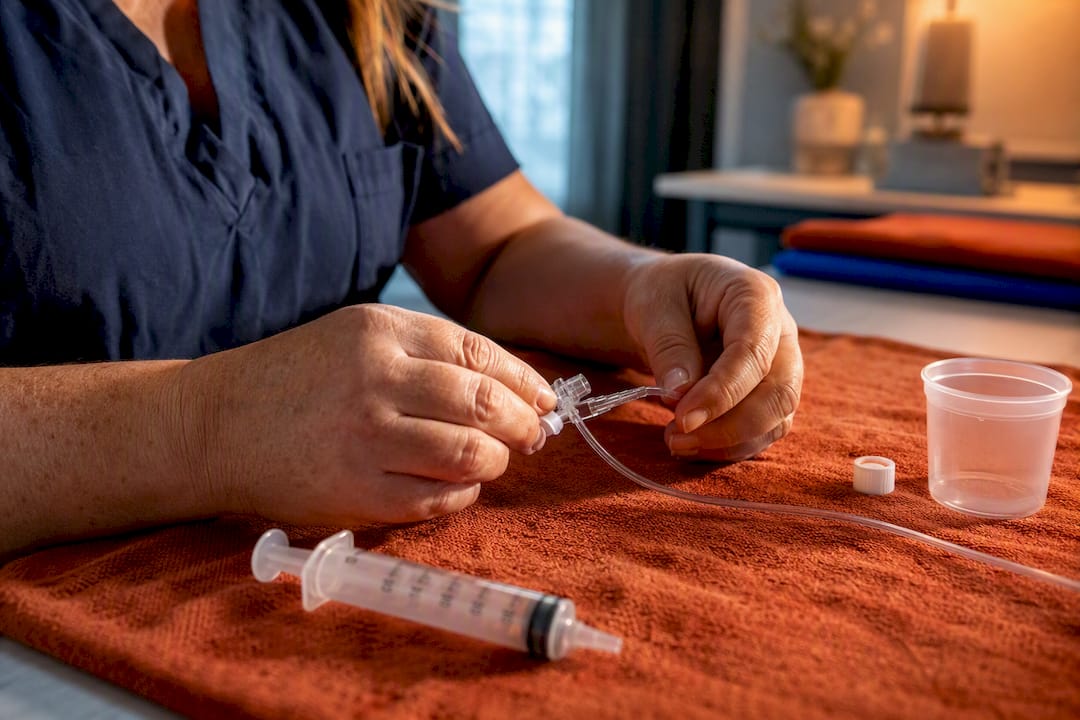
Venting a G-tube releases trapped stomach gas through the gastrostomy port, easing bloating and reducing stoma leakage. The safest first move is open-end or syringe venting, done with the tube’s gastric port only. Never vent a jejunal or GJ port, and always defer to your child’s written care plan if it differs from general guidance.
TL;DR:
Venting a G-tube only through the gastric port is essential, and never vent a jejunal or combined GJ tube from the jejunal side.
Signs indicating the need to vent include a swollen or firm belly, persistent fussiness, frequent burping, vomiting, or leakage around the tube site.
Using a syringe held 6 to 8 inches above the stomach with gravity as the main force prevents injury and ensures safe release of trapped air.
After venting, flushing with 5 to 10 mL of water prevents clogs, and any persistent blockage requires professional assistance.
Consistent support, including involving children in care routines and, if needed, in-home nursing, can improve safety and ease the venting process.
Table of Contents
What Venting a G-Tube Means and When to Do It
Venting means opening the G-tube so trapped air can escape instead of building up in your child’s stomach. It’s not a treatment for a medical problem. It’s decompression, a way to relieve pressure that causes discomfort, stoma leakage, or a stomach that feels tight as a drum. Hospital patient education pages describe venting as a way to relieve the pressure that causes leakage around the stoma and improve comfort during feeds, which is exactly why so many care plans build it into the daily routine rather than treating it as a last resort.
How do you know it’s time to vent? Watch for these signs:
A belly that looks swollen or feels firm to the touch
Grimacing, arching, or fussiness that doesn’t match hunger or a diaper change
Frequent burping without much coming up
Vomiting after feeds
Formula or stomach contents leaking around the tube site
Timing matters almost as much as the technique. Many families vent before feeds, during routine diaper changes, or afterward if the belly still seems tight. Some care plans call for waiting 30 minutes after medications or a bolus feed before venting, since air and formula need time to settle. Whatever your child’s specific schedule says, follow it. And one rule never bends: you vent the gastric (G) port only. A combination G/GJ tube gets vented from the G side alone, never the jejunal port.
How to Vent a G-Tube Step by Step
Before you start, wash your hands and gather supplies. You’ll want a 60 mL catheter-tip syringe (keep a spare on hand), a clean cloth, 5 to 10 mL of water for the flush afterward, and a Farrell bag if your child’s care team has prescribed one. These are the same basics most pediatric hospital training materials list, because the setup rarely changes from one G-tube to the next.
Method 1: Open-end venting. Unclamp the tube and let it rest, open, over a clean cloth or small container. Gravity does the work. A gentle, circular belly massage sometimes coaxes trapped air toward the tube faster.
Method 2: Syringe venting. Remove the plunger from a 60 mL catheter-tip syringe and attach the barrel to the tube. Hold it 6 to 8 inches above your child’s stomach so air rises naturally rather than getting pulled or pushed. Unclamp and watch for bubbles.
Method 3: Manual racking. If your care team has approved it, pour small amounts through the syringe and let gravity decompress the stomach as fluid moves. This is not a suctioning technique. Never draw back hard on a syringe to force air or liquid out.
Method 4: Farrell bag (Farrell Valve System). Prime the bag per instructions, then position it at or below stomach level. If the bag fills with formula instead of just air, that usually signals a blockage rather than normal venting, and it’s a sign to switch to your clog protocol.
Wash hands and gather supplies.
Unclamp the tube and choose your method (open end, syringe, or Farrell bag).
Watch for air bubbles first, then note if liquid rises.
If liquid enters the syringe, let it drain back down by gravity before reclamping.
Stop once the belly softens or gas output slows to nothing.
Pro Tip: If liquid rises into the syringe, resist the urge to pull it out. Letting it flow back into the stomach by gravity keeps your child’s nutrition intact and avoids mistaking normal reflux for a problem. This detail matters because gastric contents rising during venting is normal, not a sign something’s wrong.
Safety Rules and When to Call the Care Team
Two rules sit above everything else in G-tube venting. First, only the gastric port gets vented. Never open a jejunal port or the J side of a G/J combination tube, since that bypasses the stomach entirely and can cause real harm. Second, venting is passive. You’re releasing pressure, not forcing anything out. If you feel resistance or the syringe won’t draw air, stop and reassess instead of pushing harder.
Watch for these warning signs that go beyond routine gas:
Fever, especially paired with belly tenderness
Distension that keeps growing instead of easing after venting
Vomiting that persists despite multiple venting attempts
Blood in the tube output or vomit
New lethargy, severe pain, or a child who seems unusually hard to console
One detail worth remembering: the 6 to 8 inch syringe height rule exists specifically so gravity, not suction, does the work. Deviating from it is one of the most common venting mistakes caregivers make.
Call your G-tube nurse or GI team first for anything that isn’t an emergency. Head to the ED for fever with distension, repeated vomiting, blood, or a child who suddenly seems limp or unresponsive. If you’re ever unsure which category a symptom falls into, call. That’s what the team is there for.
Aftercare: Flushing and Preventing Clogs
Once venting is done, flush the tube with 5 to 10 mL of water to clear out residual formula or stomach juices. Skipping this step is one of the fastest routes to a clogged tube down the line.
Flush with 5 to 10 mL water after every venting session
Clamp the tube and clean around the stoma site
Secure the tubing against the belly to prevent tugging or accidental pulls
Note recurring bloating, constipation, or feed intolerance for your dietitian
If a clog does happen, our guide to fixing a clogged G-tube walks through safe unclogging steps. But if flushing and gentle technique don’t clear it, or if you’re not confident attempting it yourself, call the care team rather than experimenting.
Making Venting Easier on You and Your Child
Kids pick up on tension fast, so keep your voice steady and use the same simple phrase every time, something like “time to let the air out.” If your child is old enough, let them hold the cloth or choose which stuffed animal watches. Small choices like this build comfort over repetition, and care teams increasingly recommend involving developmentally able children in their own tube care rather than treating it as something done to them.
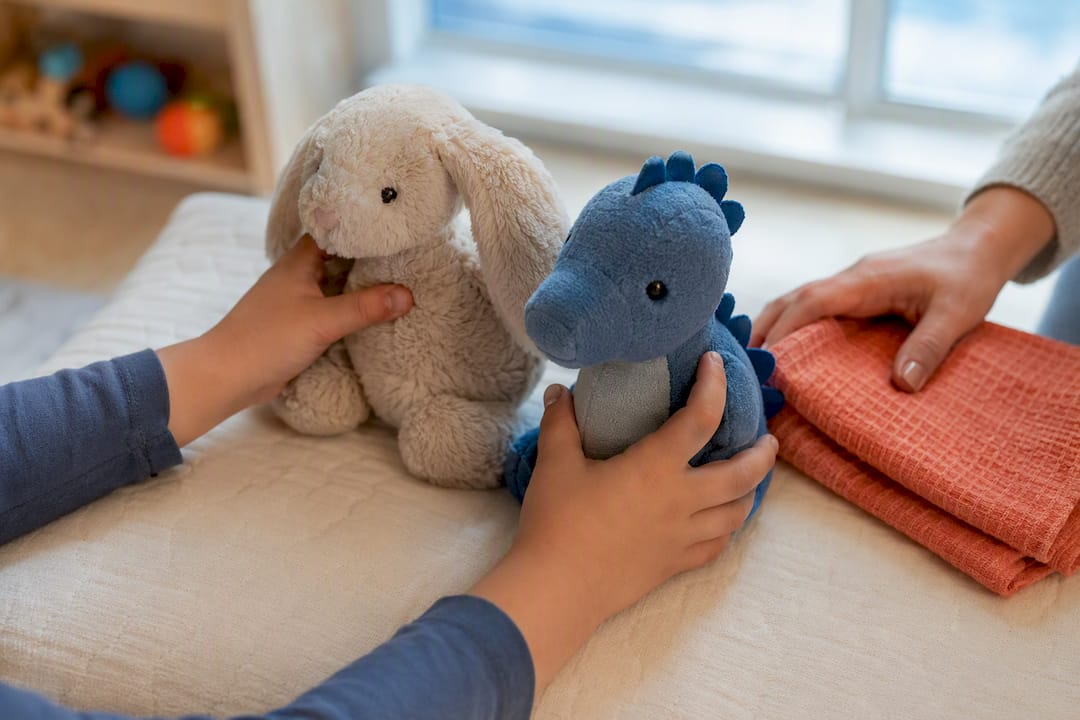
Keep a simple log: time vented, what came out (air, liquid, or nothing), and any symptoms beforehand. That record is gold for your dietitian or GI team when patterns emerge. Distraction tools matter too; some families use sensory activities to ease anxiety during medical routines.
Pro Tip: Keep venting supplies in the same bag every time, packed the same way. Consistency cuts down on fumbling during a moment when your child is already uncomfortable.
A Note From Opulent on Supporting G-Tube Families
Venting a squirming toddler at 2 a.m. is not intuitive, no matter how many times you’ve read the steps. That’s normal, and it gets easier with repetition. Trained in-home nursing can walk alongside you through that learning curve, reinforcing technique and catching small issues before they become urgent ones. If you’d rather not figure this out alone, reach out. Opulent’s team is built for exactly this kind of support.
— Opulent
In-Home Pediatric Nursing for G-Tube Support in Georgia
Some families prefer having in-home skilled nursing support rather than learning G-tube venting from a printed handout at midnight with no one to call. We provide in-home skilled nursing for children managing tracheostomy, ventilator, feeding tube, and other complex needs across Georgia, matched to your family through what we call the 3 Thumbs Up Rule, meaning the family, the nurse, and Opulent all sign off before care starts.
Tracking nurse retention and providing continuity in nursing care can improve outcomes for medically fragile children. Continuity in nursing care allows caregivers to become familiar with a child’s venting schedule, care plan, and comfort routines. Assistance with navigating Medicaid or pediatric program paperwork can be beneficial alongside daily tube care. Visit our Trach / Vent / G-Tube services page to see how in-home nursing support works, or reach out through Opulent Private Care to talk through what your family actually needs.
This article is general information, not a substitute for advice from a qualified doctor. Consult a qualified healthcare professional about your own circumstances before acting on anything here.
Sources
Recommended
Comments