
IEP Nursing Services in Georgia: How to Start GAPP
- Opulent Private Care Services

- Aug 5
- 6 min read
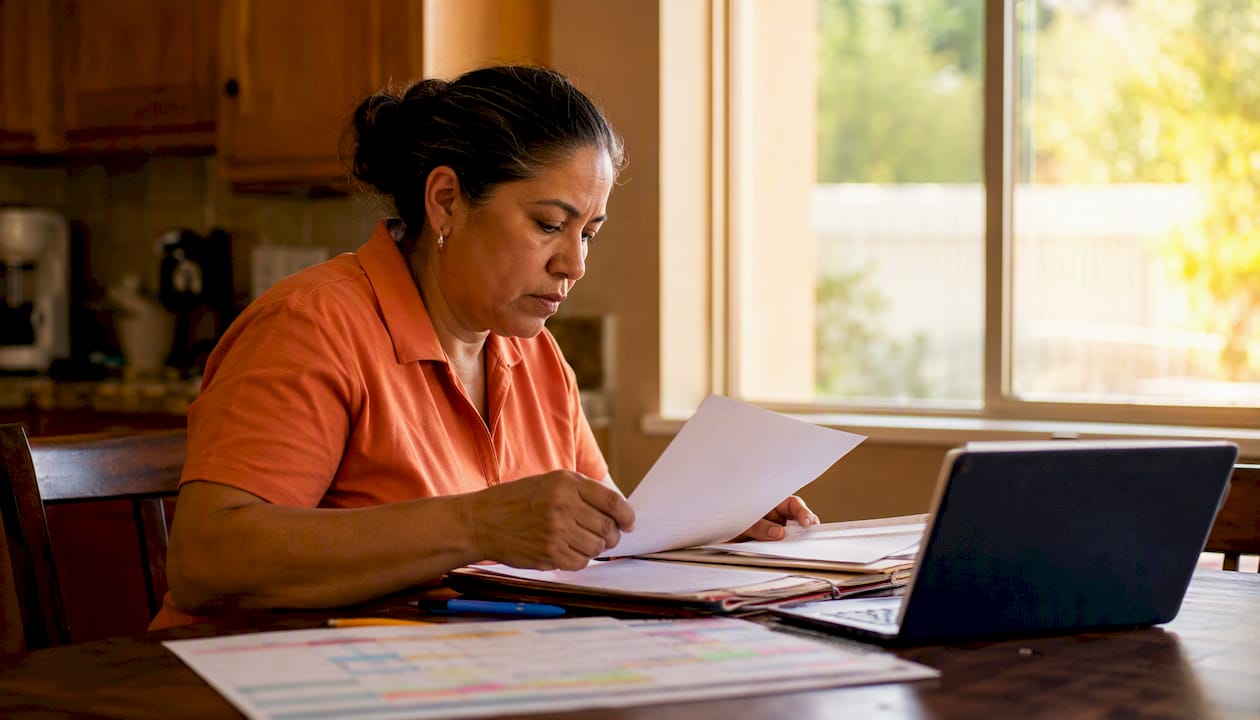
If your child has active Georgia Medicaid and a documented medical need for skilled nursing, you can get in-home nursing services covered at no cost through the Georgia Pediatric Program (GAPP), administered by the Georgia Department of Community Health (DCH). You do not apply directly. A Medicaid-enrolled GAPP nursing agency submits the prior authorization on your behalf.
Three things to do right now:
Verify active Medicaid. Log into Georgia Gateway and confirm your child’s coverage is active, not pending. Agencies cannot move forward without an active Medicaid ID number.
Contact a Medicaid-enrolled GAPP agency. The agency handles all prior authorization paperwork with DCH. Ask specifically whether they accept new GAPP referrals in your county.
Secure a physician order. The order must document medical necessity, the diagnosis, and recommended skilled nursing hours. GAPP covers services only when physician-ordered and medically necessary.
Table of Contents
How does medical necessity renewal affect your child’s nursing hours?
How does in-home nursing coordinate with your child’s IEP team?
What are your rights when securing nursing services under the IEP?
Common challenges when combining in-home and school-based nursing
What families consistently say matters most in a GAPP nursing partner
Opulentprivatecare: a statewide GAPP partner for medically fragile children
What does the GAPP authorization timeline look like?
After your agency receives the physician order and supporting records, they submit a prior authorization request to the Georgia Health Partnership (GHP) PA Unit. That unit reviews the level-of-care documentation and, for skilled nursing, typically requires a DCH face-to-face clinical assessment.
The steps that most commonly extend the timeline are collecting a correctly worded physician order, scheduling the face-to-face assessment, and completing agency paperwork. Expect the full process to take several weeks. Once authorization is approved, the agency schedules your first nurse visit and completes a home assessment to finalize the care plan.
How does medical necessity renewal affect your child’s nursing hours?
GAPP authorizations are not permanent. DCH requires periodic re-verification that your child still meets the nursing-home level of care standard. If your child’s condition changes, hours can be adjusted up or down at renewal.
Keep updated physician orders and recent medical records on file at all times. A lapse in documentation is the most common reason hours get reduced at renewal, not a change in the child’s actual needs.
What qualifications do in-home GAPP nurses need?
GAPP covers RN and LPN services depending on medical necessity. RNs handle tracheostomy care, ventilator management, IV medications, and complex neurological monitoring. LPNs typically manage medication administration, tube feeds, and routine skilled tasks under RN supervision.
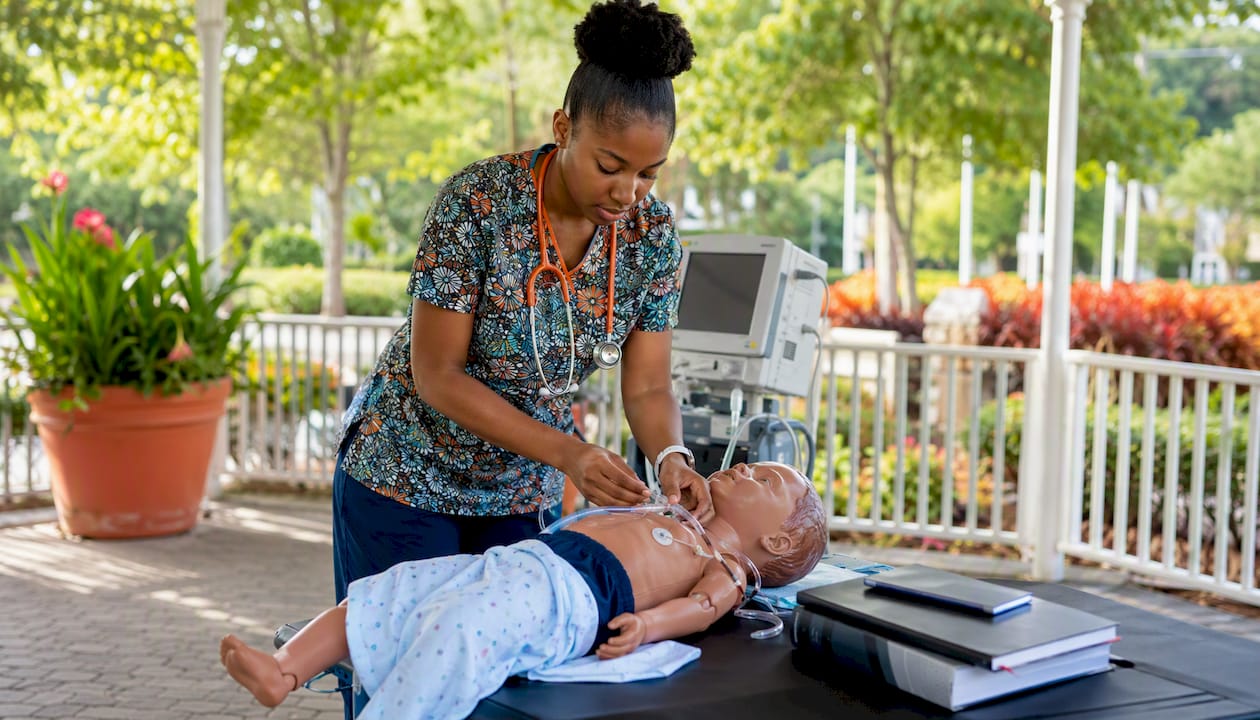
For equipment-dependent children, specifically those on vents, oxygen, or with a trach, the agency should assign nurses with documented hands-on experience with that equipment, not just general pediatric training.
How does in-home nursing coordinate with your child’s IEP team?
The in-home nurse is not a school employee, but they are a critical member of your child’s care team. Share the nurse’s clinical notes with the IEP team so the school’s special education staff understand current medical baselines. If your child attends school with nursing support, the in-home nurse and school nurse should align on protocols for seizure response, trach suctioning, and emergency procedures.
Request that the IEP document specific health-related accommodations, and provide the IEP to the in-home nurse so care at home reinforces what the school team is working toward.
How in-home nursing supports your child’s educational goals
Medically stable children attend school more consistently. When an in-home nurse manages overnight or early-morning care, your child arrives at school rested and medically prepared. Tube feed schedules, medication timing, and equipment checks handled at home reduce the burden on school staff and keep the school day focused on learning.
For children with complex neurological conditions, consistent nursing at home also means fewer emergency hospitalizations, which directly protects school attendance and IEP progress.
What are your rights when securing nursing services under the IEP?
You have the right to request that medically necessary nursing support be documented in your child’s IEP as a related service. Under the Individuals with Disabilities Education Act (IDEA), schools must provide services necessary for a child to benefit from special education. If the school denies nursing support, request the denial in writing and ask for a prior written notice explaining the decision.
You also have the right to an independent educational evaluation and to bring a medical advocate or attorney to any IEP meeting. Document every conversation with the school team in writing.
Common challenges when combining in-home and school-based nursing
The most frequent friction point is communication gaps between the in-home agency and the school. Solve this by designating one contact at the agency as the school liaison and sharing that person’s name with the IEP team coordinator.
Scheduling conflicts arise when the school nurse’s hours overlap with in-home nursing shifts in ways that create coverage gaps during transport. Map the full daily schedule before the school year starts and confirm who is responsible for care during each transition. If the school requires specific nursing protocols, give the in-home agency a copy of those protocols before the first day.
Key Takeaways
Eligible Georgia children who meet Medicaid and program requirements can access in-home skilled nursing at no cost through GAPP, and a Medicaid-enrolled agency handles the prior authorization on your behalf.
Point | Details |
Active Medicaid first | Confirm active status in Georgia Gateway before contacting any agency; pending coverage stalls the process. |
Agency files the PA | You do not submit GAPP paperwork directly; the enrolled agency submits prior authorization to the GHP PA Unit. |
Physician order language matters | The order must state medical necessity, diagnosis, and recommended hours; use the agency’s order form to reduce denials. |
Renewals protect hours | Keep current physician orders and medical records on file to avoid hour reductions at re-verification. |
Opulentprivatecare | assists with GAPP paperwork, matches nurses by clinical skill and family fit, and applies the 3 Thumbs Up Rule before any assignment. |
What families consistently say matters most in a GAPP nursing partner
The families who report the fewest care gaps share one thing: they asked hard questions before signing with an agency. Nurse turnover is the single biggest failure point in home nursing. A low hourly rate means nothing if a different nurse shows up every week and has to relearn your child’s trach protocol from scratch.
Ask any agency you interview for their shift fill rate and average nurse tenure. Ask whether they have a formal matching process that accounts for your child’s specific equipment needs, whether that is vent management, seizure response, or IV medications. Agencies that send their own physician order template to your child’s doctor dramatically reduce back-and-forth and speed up prior authorization.
Pro Tip: During your intake call, ask specifically: “What is your shift fill percentage, and how do you handle a last-minute gap?” An agency that cannot answer that question with a number is telling you something.
The 3 Thumbs Up Rule concept, requiring sign-off from the family, the nurse, and the agency before a placement is finalized, exists precisely because fit matters more than availability. Continuity of the same RN or LPN builds the kind of clinical familiarity that catches a subtle change in your child’s breathing pattern before it becomes an ER visit.
Opulentprivatecare: a statewide GAPP partner for medically fragile children
Families navigating GAPP for the first time often spend weeks on hold, chasing physician orders, and wondering why nothing is moving. Opulentprivatecare removes that friction.
As a statewide, Medicaid-enrolled pediatric in-home nursing provider, Opulentprivatecare supports children with tracheostomy, ventilator dependency, G-tube feeding, seizure disorders, cardiac conditions, and complex neurological care. The team assists with GAPP paperwork and prior authorization from day one, sends the correct physician order form directly to your child’s doctor, and matches nurses based on clinical experience and family fit using the documented 3 Thumbs Up Rule. No rotating staff. No guessing whether tonight’s nurse has ever managed a vent.
Ready to start? Begin your intake with Opulentprivatecare or review available pediatric in-home nursing services to confirm coverage for your child’s specific needs.
Official GAPP and Medicaid resources
Use these sources to verify eligibility, confirm your child’s Medicaid status, and prepare for your agency intake call.
Program fact | Detail | Source |
Eligible age | Active Georgia Medicaid | DCH GAPP fact sheet |
Cost to families | No copays or out-of-pocket costs for covered services | Georgia Medicaid GAPP fact sheet |
Covered service types | RN, LPN, and personal care; vent/trach/IV/G-tube | GeorgiaGAPP.com program overview |
Who files the PA | Medicaid-enrolled agency, not the family | Georgia Medicaid GAPP fact sheet |
Key resources:
Georgia DCH GAPP policy (PAMMS) for eligibility criteria and level-of-care requirements
Georgia Medicaid waiver programs overview to understand how GAPP fits within Medicaid
How to apply for GAPP for a document checklist (Medicaid card, physician order, medical records, proof of residency)
GAPP approval timeline guidance to understand what delays authorization and how to avoid them
Opulentprivatecare intake and services to contact a Medicaid-enrolled agency that handles prior authorization and nurse matching statewide
This article provides general information about Georgia Medicaid and GAPP. It is not legal or medical advice. Confirm current eligibility rules and program requirements directly with the Georgia Department of Community Health or a qualified professional.
Recommended
Comments